Arteriovenous Malformations
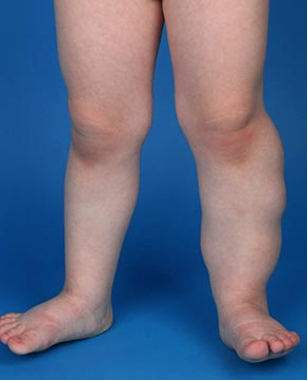
Vascular malformation is a general term that includes congenital vascular anomalies of:
- Only lymph vessels: Lymphatic malformations (LM)
- Arteries connected directly to veins without any capillaries in between: Arteriovenous malformations (AVM)
- Only veins: Venous malformations (VM)
- Both veins and lymph vessels: Venolymphatic malformations (VLM)
Lymphatic Malformation
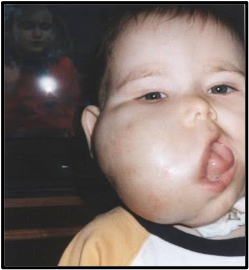
A lymphatic malformation is an abnormal collection of lymphatic vessels, which can form small or large fluid-filled spaces. It is a benign (non-cancerous) condition.
Causes
- Usually develops before birth while the lymphatic system is forming.
- The exact cause is not always known.
- Certain genetic changes can contribute to abnormal development of lymphatic vessels.
- It may be noticed at birth or become more obvious later, particularly during growth or puberty.
Symptoms
- Soft swelling or a lump.
- Swelling that may increase during infection or inflammation.
- Pain or discomfort.
- Fluid-filled or small blister-like areas on the skin.
- Leakage of clear or blood-stained fluid from the skin.
- Repeated infections such as cellulitis.
- Depending on location, it may affect movement, swallowing, breathing or other functions.
Treatment & Management
- Small, symptom-free malformations may sometimes be monitored.
- Sclerotherapy is commonly used, particularly for larger cystic lesions.
- Medicines may be considered in specific cases. Compression may be useful in selected limb-related conditions.
- Surgery may be considered when the malformation is causing significant problems or is unsuitable for other treatments.
- Regular follow-up is important because some lymphatic malformations can recur or enlarge over time.
Arteriovenous Malformation (AVM)
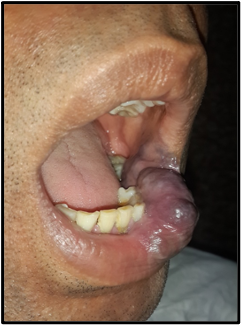
An AVM is an abnormal connection between arteries and veins, where blood flows directly from arteries into veins without passing normally through tiny blood vessels (capillaries). This creates a high-flow vascular malformation.
Causes
- Usually develops during the baby's development before birth.
- The exact cause is often unknown.
- Some AVMs may be associated with genetic conditions.
- They may become more noticeable with growth, puberty, pregnancy or after an injury.
Symptoms
- Swelling or a visible lump
- Pain or throbbing sensation
- Warmth or redness over the affected area
- Bleeding or skin ulcers
- Rapid increase in size
- In some cases, weakness, numbness, seizures or other symptoms depending on where the AVM is located.
Treatment & Management
- An assessment using imaging such as ultrasound, MRI or angiography may be required.
- Embolization is commonly used to block abnormal blood flow.
- Sclerotherapy may be used in selected cases.
- Surgery may be considered for carefully selected AVMs.
- Regular follow-up may be recommended because AVMs can grow or become active over time.
Venous Malformation
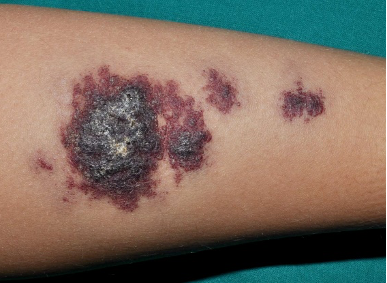
A venous malformation occurs when veins develop abnormally and become enlarged or irregular. It is usually a slow-flow vascular malformation and is benign (non-cancerous).
Causes
- Usually develops before birth.
- The exact cause is not always known.
- Certain genetic changes may play a role.
- It becomes more noticeable with growth, puberty, pregnancy or after trauma.
Symptoms
- Bluish or purple swelling under the skin
- Soft lump that may become more prominent when the area is dependent
- Pain or heaviness
- Swelling, particularly after prolonged standing
- Blood clots within the abnormal veins may cause tenderness or pain
- Occasionally, bleeding or problems with movement depending on its location.
Treatment & Management
- Observation may be appropriate when there are no symptoms.
- Compression garments may help control swelling and discomfort in suitable cases.
- Sclerotherapy is a commonly used treatment to close the abnormal veins and reduce the size of the malformation.
- Surgery may be considered in selected patients.
- Multiple treatments may sometimes be required.
- Long-term follow-up may be needed because venous malformations can enlarge again over time.
Veno Lymphatic Malformations (VLM)
These are uncommon vascular abnormalities involving both the veins and lymphatic vessels. They may cause swelling, pain, skin changes or a feeling of heaviness, often becoming more noticeable with age, infection, injury or hormonal changes.
Management depends on the size, location and symptoms and may include compression therapy, sclerotherapy, medication, minimally invasive procedures or surgery. A specialist assessment is important to determine the most appropriate treatment.