Surgical Management of Lymphedema
Surgical Management of Lymphedema
Lymphovenous Anastomosis (LVA)
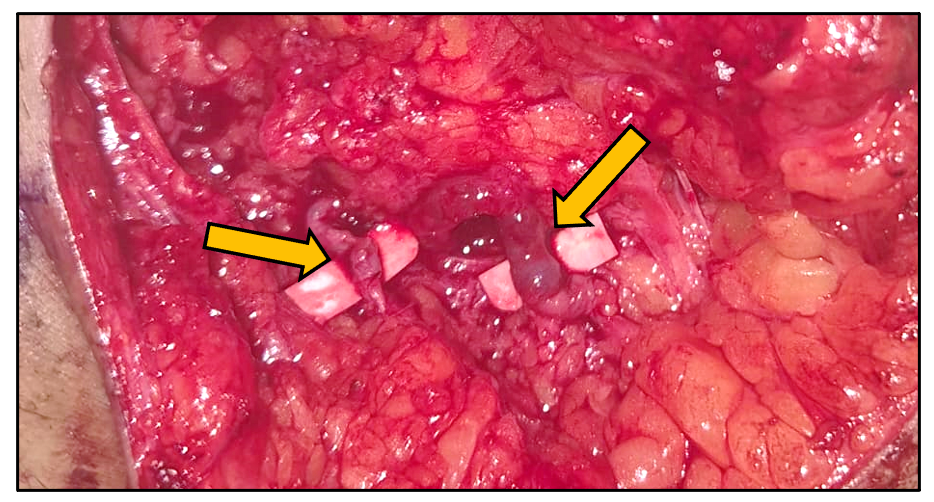
A microsurgical procedure that connects functioning lymphatic vessels directly to nearby small veins, creating an alternative pathway for lymphatic drainage. It is generally considered in selected patients with functioning lymphatic channels.
Lympho-Nodo Venous Bypass (LNVB)
This microsurgical technique connects a lymph node or lymphatic tissue directly to a vein, providing an alternative route for lymphatic fluid to drain. It may be considered in carefully selected patients with lymphatic obstruction.
Lympho-Nodo Venous Bypass (LNVB)
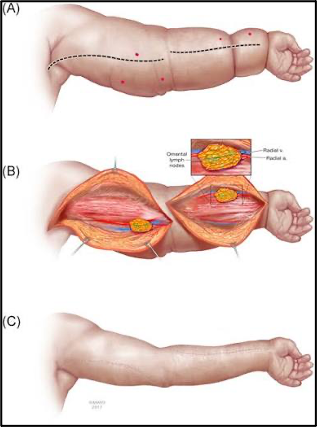
Healthy lymph nodes with their blood supply are transferred from another part of the body to the affected region. The transferred nodes may help restore or support lymphatic drainage over time.
Debulking Surgery
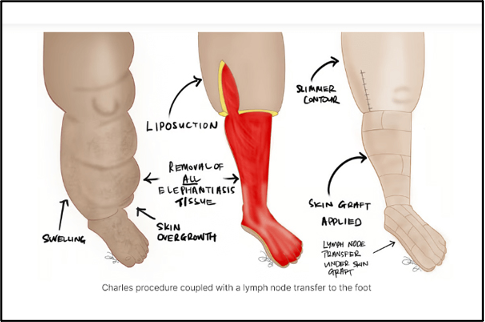
Debulking removes excess skin, subcutaneous tissue and fibrotic tissue that has developed in advanced lymphedema. It may help reduce limb size, improve mobility and make compression therapy easier.
Liposuction
Liposuction can remove the excess fat and fibrotic tissue that accumulates in chronic lymphedema and does not respond adequately to conservative treatment. It can significantly reduce limb volume in appropriately selected patients.
Reconstruction
Reconstructive procedures address excess skin, tissue deformity, wounds or functional problems associated with advanced lymphedema. The aim is to restore limb contour, improve function and enhance quality of life.