

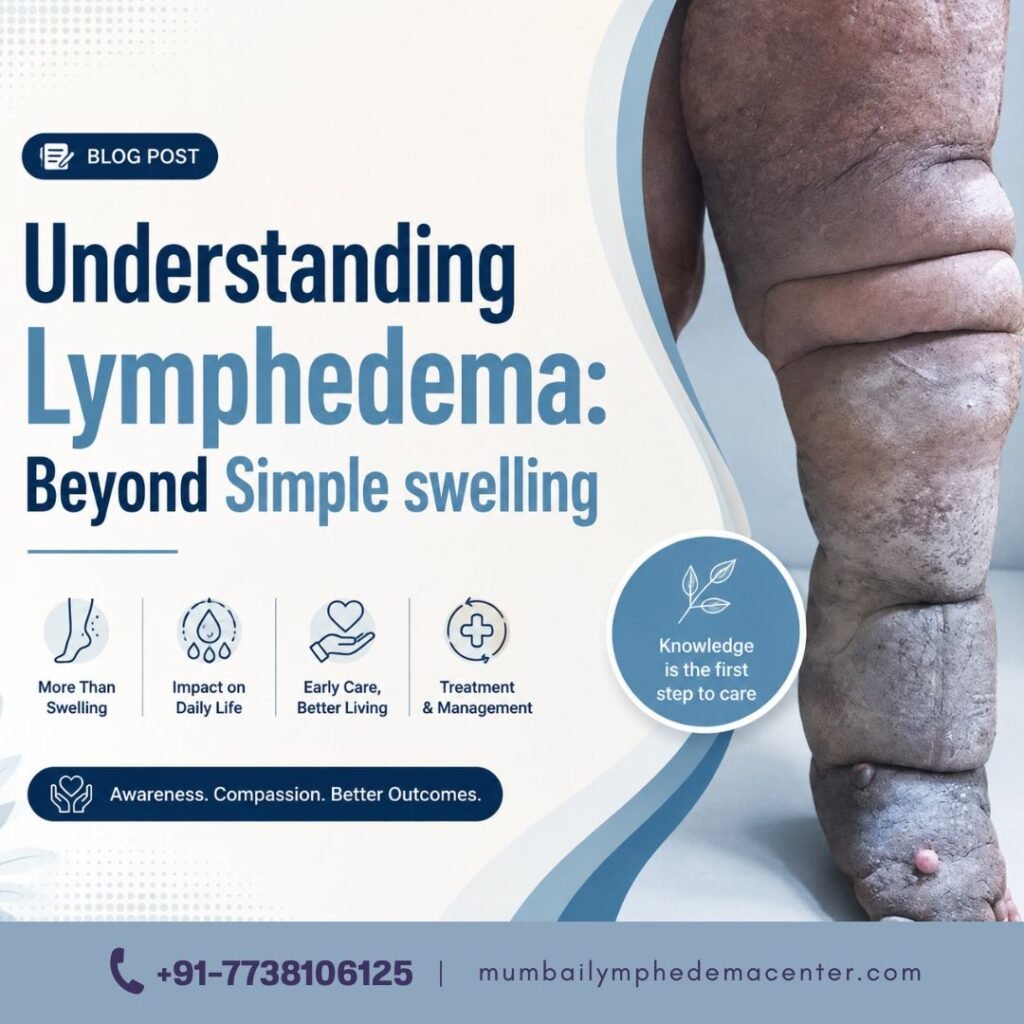
Understanding Lymphedema: Beyond Simple swelling
Swelling in an arm or leg is often ignored as ‘water retention’ or poor circulation. But for many people, this persistent swelling may actually be a medical condition called Lymphedema.
Lymphedema refers to tissue swelling caused by an accumulation of protein-rich fluid that’s usually drained through the body’s lymphatic system. It most commonly affects the arms or legs, but can also occur in the chest wall, abdomen, neck and genitals.
As Plastic and Reconstructive surgeons, we increasingly see patients suffering silently for years before receiving the correct diagnosis. Many patients struggle silently for years, believing nothing can be done.
The good news is that early awareness, early treatment, and modern surgical advances are now changing outcomes for many patients.
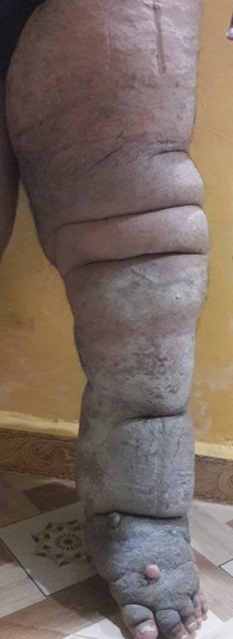
When lymph fluid cannot drain effectively, it starts collecting in the tissues, leading to:
- Swelling
- Heaviness
- Tightness
- Discomfort
- Skin changes
- Recurrent infections
Why does it happen?
Lymphedema can occur due to:
Cancer treatment
One of the most common causes worldwide is surgical removal or damage of lymph nodes during breast cancer surgery, gynecological cancer treatment, prostrate cancer treatment and radiation therapy.
Infections or Trauma
Severe infections, injuries, burns, or surgeries can damage lymphatic channels
Obesity & Lifestyle Factors
Excess weight increases pressure on the lymphatic system and may worsen swelling.
Congenital or Genetic causes
Some people are born with underdeveloped lymphatic vessels and the swelling may show up later in life.
What are the early signs that show up and yet people ignore?
Many patients commonly say-
- “My ring feels tight in my left hand which is unusual”
- “One leg feels heavier than the other”
- “One of my shoes doesn’t fit in like before”
- “My arm feels full, tight and heavy”
- “I am unable to wear bangles in my left hand, but my right-hand fits perfectly”
Why does it need to be diagnosed early?
Untreated Lymphedema may gradually progress and lead to:
- Permanent swelling
- Skin thickening
- Repeated skin infections
- Reduced mobility
- Discomfort in performing daily activities
- Emotional and social distress
Early treatment offers the best chance of controlling progression.
Is Lymphedema really curable?
Lymphedema is generally considered a chronic condition, but modern treatment can significantly:
- • Relieve swelling
- • Provide comfort
- • Enhance function
- • Improve quality of life
Lymphedema is not just a swelling- It can affect mobility, choice of clothing, skin health, energy, social life, career, relationships, financial wellbeing and overall mental health.
Creating awareness among medics and the common people in general is important because early diagnosis truly changes outcomes.
Every patient with Lymphedema is unique and responds differently. Hence customization is the key. A multi-disciplinary approach of conservative management for mild cases, a combination of super microsurgery followed by conservative management with regular follow ups with the specialist yield amazing results.
If you or a loved one experiences persistent swelling, heaviness, or repeated infections in a limb, consulting a specialist early can make a meaningful difference.